The River Road Plantations
Sugar, wealth and slavery: the history behind the oak avenues.
Get Lower Mississippi QuotesThe River Road Plantations, Honestly Told
Between New Orleans and Baton Rouge, the Mississippi is lined by the River Road, where sugar plantations once covered the land on both banks. Their wealth depended on the forced labor of enslaved Africans and African Americans, who cleared the swamps, cut the cane and ran the sugar mills under brutal conditions.
Today several of these estates are open to visitors, and lower-river cruises usually stop at one or two. They differ greatly in how much of that history they tell.
Estates You May Visit
Whitney Plantation
Opened as a museum in 2014, the Whitney Plantation is devoted to the lives of the enslaved, using first-person accounts, memorials and restored cabins.
Oak Alley
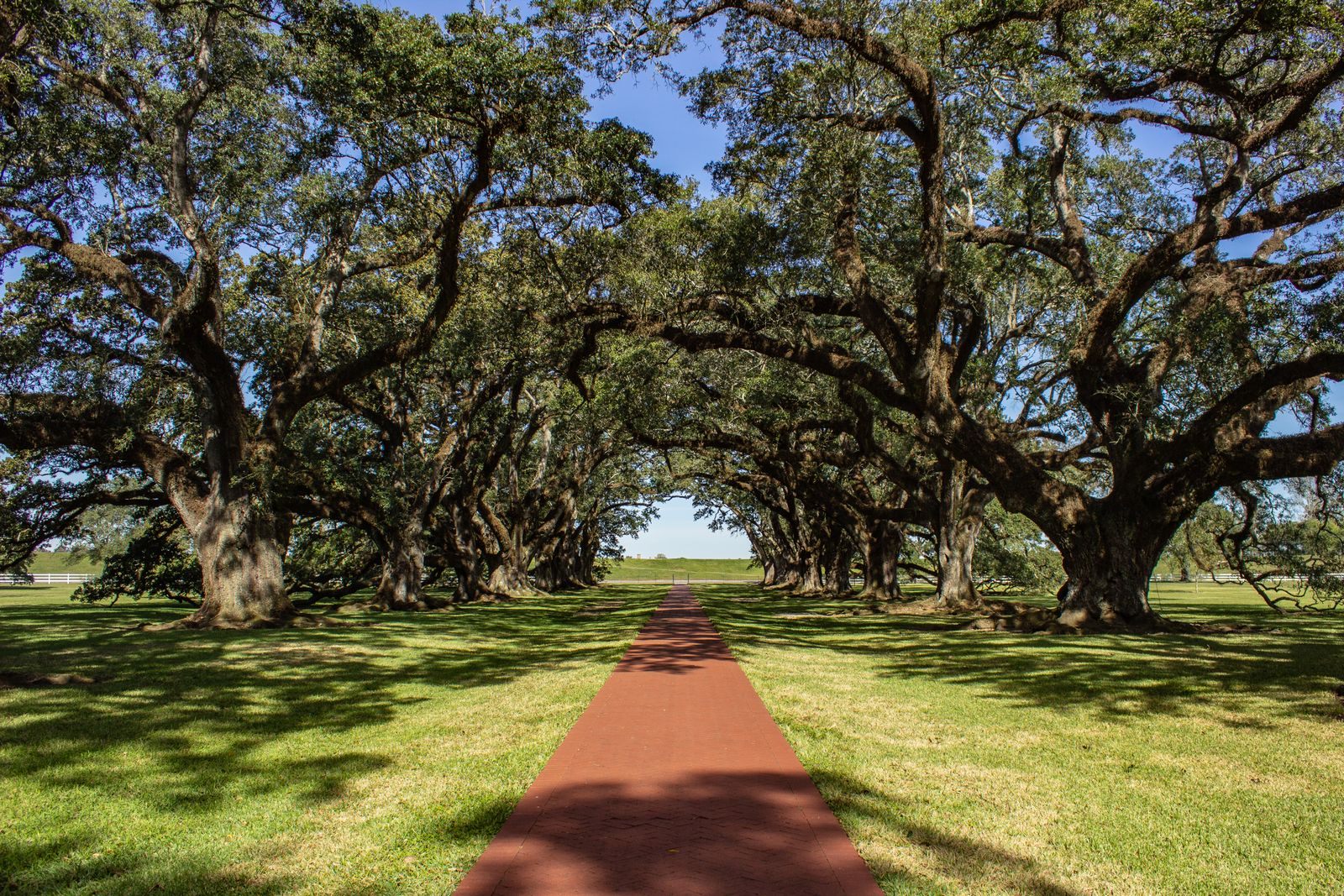
Famous for its quarter-mile avenue of live oaks, it also presents exhibits on the enslaved people who lived and worked there.
Houmas House
A sugar estate known for its mansion and gardens beside the levee.
Beyond the Big Houses
Upriver, Natchez and Vicksburg add further layers: the slave markets of Natchez, the free Black community that existed alongside slavery, the Union army’s campaign and the many Black soldiers who served in it, and the long struggle for civil rights that followed. Onboard historians on both main lines cover this ground in their talks.
Reading ahead helps. Many travelers find the visit more rewarding after a little preparation, and some choose departures that include Whitney specifically.
How to Make the Most of the Visit
- Read a short history of Louisiana sugar and slavery before the cruise; the onboard historian’s talk will mean more.
- If you can choose, include Whitney Plantation, whose museum is built around the testimony of formerly enslaved people.
- At Oak Alley, allow time for the slavery exhibit near the restored cabins as well as the house tour.
- Ask your guide about the German Coast Uprising of 1811, one of the largest revolts of enslaved people in U.S. history, which began along this stretch of river.
- Talk with fellow passengers afterward; many find the conversation one of the most valuable parts of the trip.
Frequently Asked Questions
Which plantations do cruises visit?
It varies. Oak Alley and Houmas House are common stops, and some departures offer Whitney Plantation, which focuses on the enslaved people who lived there. Ask which ones your sailing includes.
Is it appropriate to visit a plantation?
Many travelers find it meaningful when the site tells the full history. Look for tours that name the enslaved residents and describe their lives, not only the architecture.
Ask Which Sites Your Cruise Visits
Our cruise advisors at Mister Cruise can tell you which River Road estates each departure includes before you book.
Ask an Advisor